
2-year, $2,700,000 contract with the Toronto Maple Leafs. Expires 2028 (UFA).
Source: 2026-06-29T23:59:00.000Z


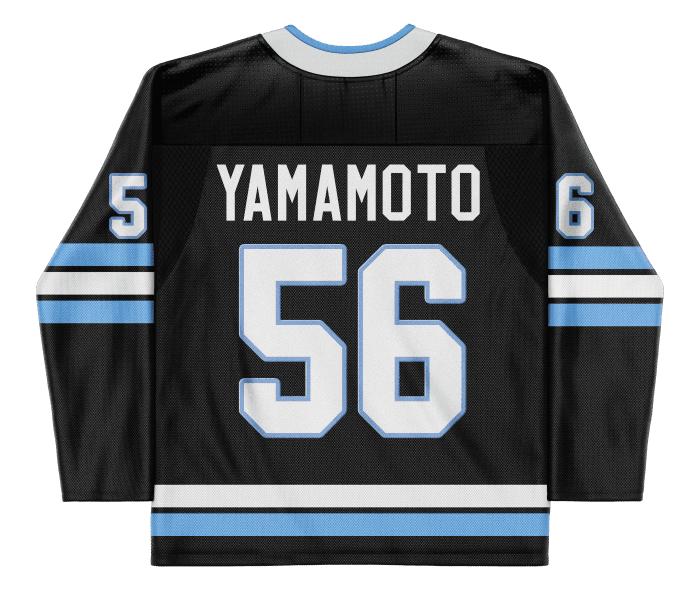
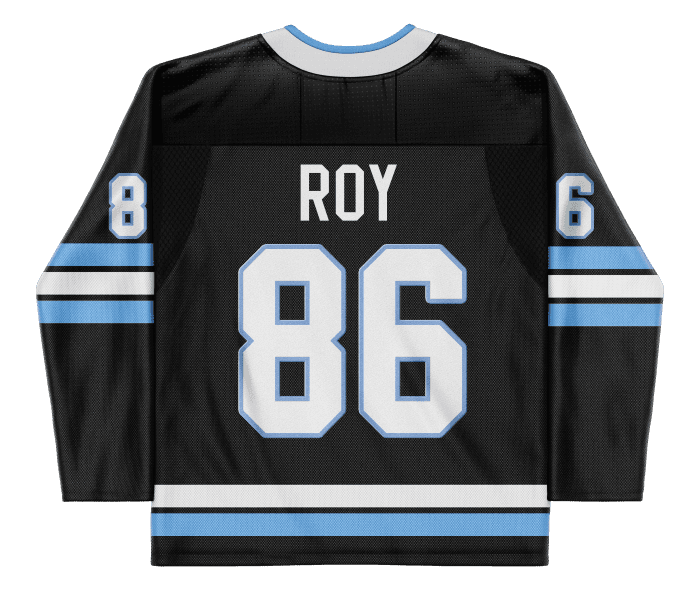


Ivan's RFA rights were acquired from the Avalanche on Sunday and he signs a one-year, two-way deal with the Bruins. The 23-year-old forward spent most of the 2025-26 season in the AHL, where he had 26 points (11G / 15A) in 66 games with the Colorado Eagles. He'll likely start the 2026-27 season in the AHL, but should be one of the first players summoned to Boston.
Roed is an undrafted forward that played collegiate hockey with Bemidji State University for two seasons before making his professional debut at the AHL level in 2023-24. The 23-year-old scored 38 points (11G / 27A) last season in 65 games with the Coachella Valley Firebirds (AHL).
After spending most of the previous season in the AHL, Yamamoto returned to playing predominantly in the NHL in 2025-26. He scored 23 points (13G / 10A) in 59 games with the Utah Mammoth, earning himself a two-year contract extension worth $3.5 million ($1.75M AAV).
Stecher was claimed off waivers from the Oilers in mid-November and recorded 14 points (3G / 11A) in 58 games with the Maple Leafs in 2025-26. With their current depth chart, Stecher and Emil Andrae will likely battle for the No.6 defenseman spot in training camp. Even if he serves as the No.7 defenseman all season, Stecher provides the Maple Leafs with a cheap veteran replacement when injuries occur on the back-end.
Williams is an undrafted 24-year-old forward that made his professional debut last season, including playing one game with the Columbus Blue Jackets. That said, he spent most of the season in the AHL, where he scored 38 points (15G / 23A) in 72 games with the Cleveland Monsters.

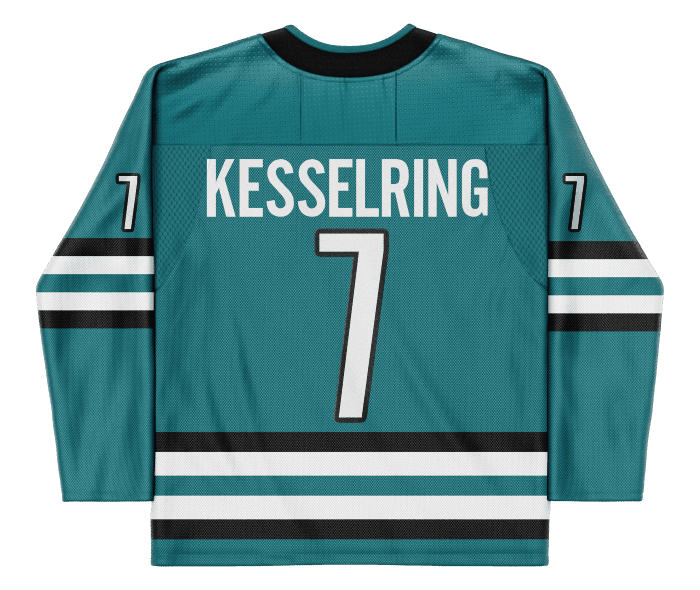
The Sharks acquired Michael Kesselring and the 27th overall pick in 2026 for the 20th overall pick in 2026 from the Buffalo Sabres earlier this offseason. Kesselring has quickly been awarded a three-year contract extension worth $13.5 million ($4.5 million AAV). The 26-year-old Kesselring joined Buffalo last offseason but battled injuries, playing just 34 games with the Sabres, scoring two points (0G / 2A) while averaging 13:24 time-on-ice.
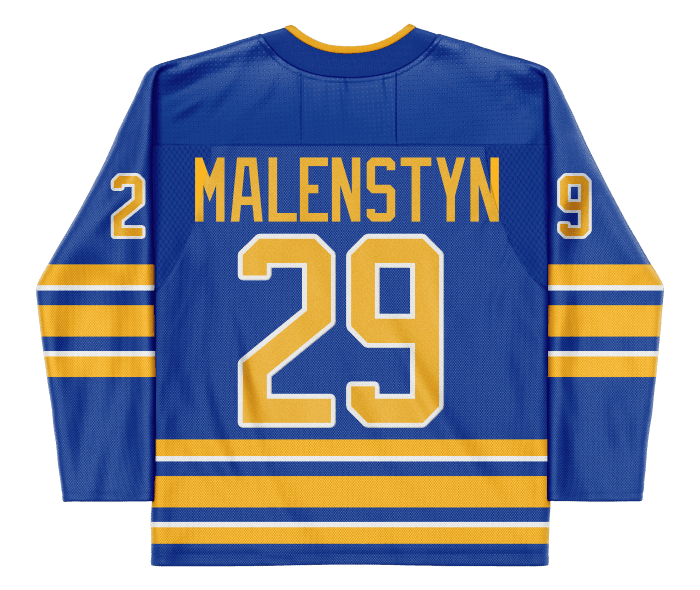
In his two seasons with Buffalo, Malenstyn has impressed in a bottom-six role, earning himself a six-year contract extension worth $17.5 million ($2.917 AAV). The 27-year-old forward averaged 11:15 time-on-ice, recording 282 hits and 14 points (7G / 7A) in 81 games last season.
A myriad of injuries in the Vegas crease last season afforded Lindbom his NHL debut, during which he appeared in eight games (2-4-2) and posted a 3.00 GAA and .873 SV%. The 23-year-old Swedish goalie, a seventh-round pick in the 2021 NHL Entry Draft, will likely remain a depth player for the organization in 2026-27 and continue in the AHL with the Henderson Silver Knights, where he posted an impressive 2.16 GAA and .926 SV% in 35 games last season (24-5-5).

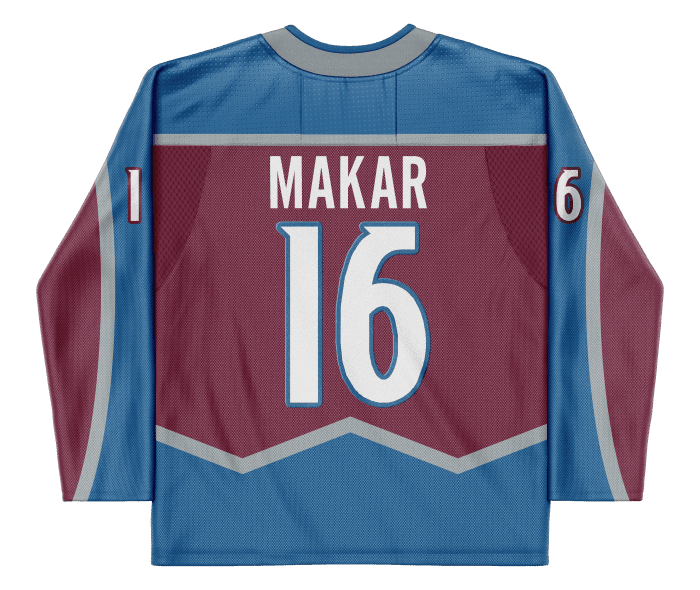
Makar made his NHL debut in the 2025-26 season during a brief 12-game stint with the Avalanche. The 25-year-old forward, a seventh-round pick in the 2021 NHL Entry Draft, scored 24 points (14G / 10A) in 52 games with the Colorado Eagles (AHL) last season and hopes to get a more prominent look in the NHL in 2026-27.
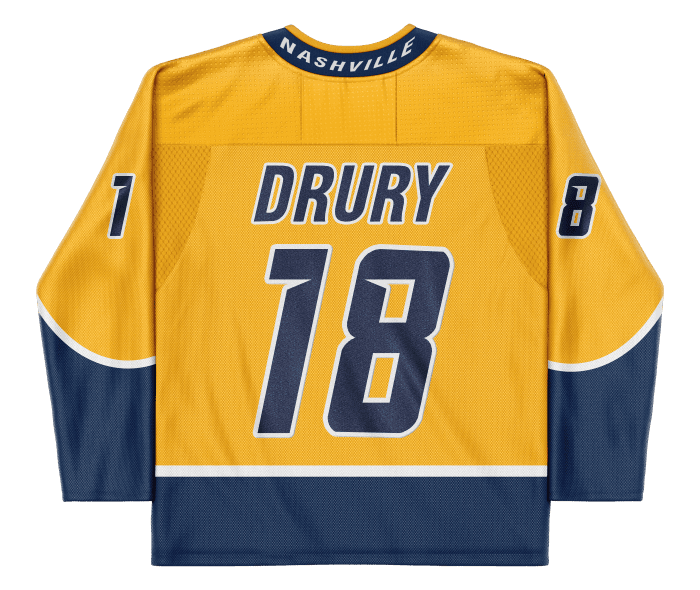
Nashville acquired Jack Drury along with Chase Bradley and a 2029 3rd round pick from Colorado for Fedor Svechkov and Zachary L'Heureux last week. They quickly rewarded Drury with a five-year contract extension worth $22.5 million ($4.5 million AAV). Drury has established himself as one of the NHL's most effective bottom-six forwards in recent seasons and hopes to further establish that reputation with his new team in Nashville. The 25-year-old forward averaged a career-high 14:29 time-on-ice and scored 27 points (10G / 17A) last season in 82 games with the Colorado Avalanche.
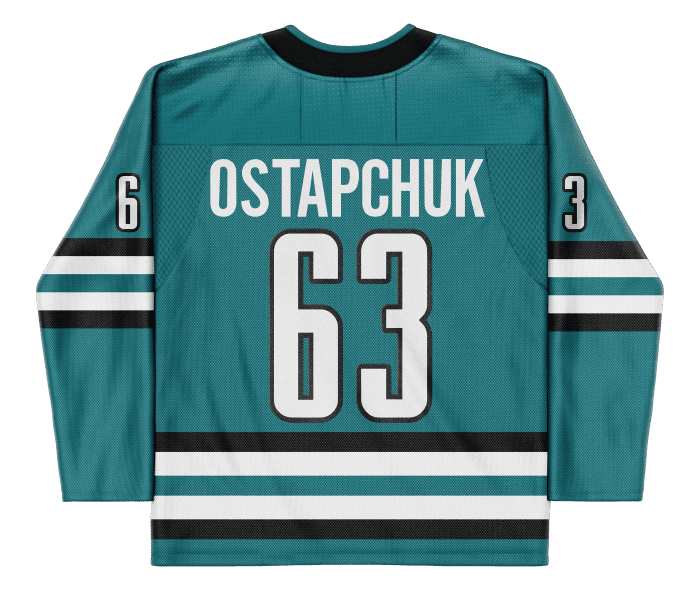
Ostapchuk is coming off a career season in 2025-26 which saw him record highs in nearly all statistical categories (GP, G, Pts, PIMs, SOG), earning him a four-year, $2.35 million AAV contract extension ($9.4M total). The 23-year-old is entering his fourth full NHL season and third with the Sharks after being acquired from Ottawa in 2025 in the Fabian Zetterlund deal. He finished 2025-26 with four goals, seven points, 45 PIMs and 44 SOG in 59 games played.
Some of the top NHL free agents available this summer are Mitch Marner, Mikko Rantanen, Aaron Ekblad, Nikolaj Ehlers, John Tavares, Brock Boeser, Brad Marchand and Linus Ullmark.
This offseason will bring a stacked crop of free agents to the market that will shape the landscape of the 2025-26 NHL season. Not only will the final landing spots for each of the top 2025 NHL free agents shake up the framework of the league, but will also have major implications on the upcoming fantasy hockey season. Be sure to stay in the know in regard to the latest free agency updates with our NHL player news.
On July 1st, 2025, at 12 PM EST, the 2025 NHL free agency period officially opens. While some players will have all but signed the dotted line up to this point, nothing can become official until noon on Canada Day.