How hard is it to mentally prepare after going from NHL backup to starter?

Goaltending in the NHL is a tough gig. You’ve got to stop a piece of vulcanized rubber coming at you speeds of 60 to 90 miles per hour about 30 times per game, and if you don’t do so often enough, you’ll get the lion’s share of blame for your team’s struggles. It’s no wonder, then, that the mental toll for a starter is much different than that of a backup.
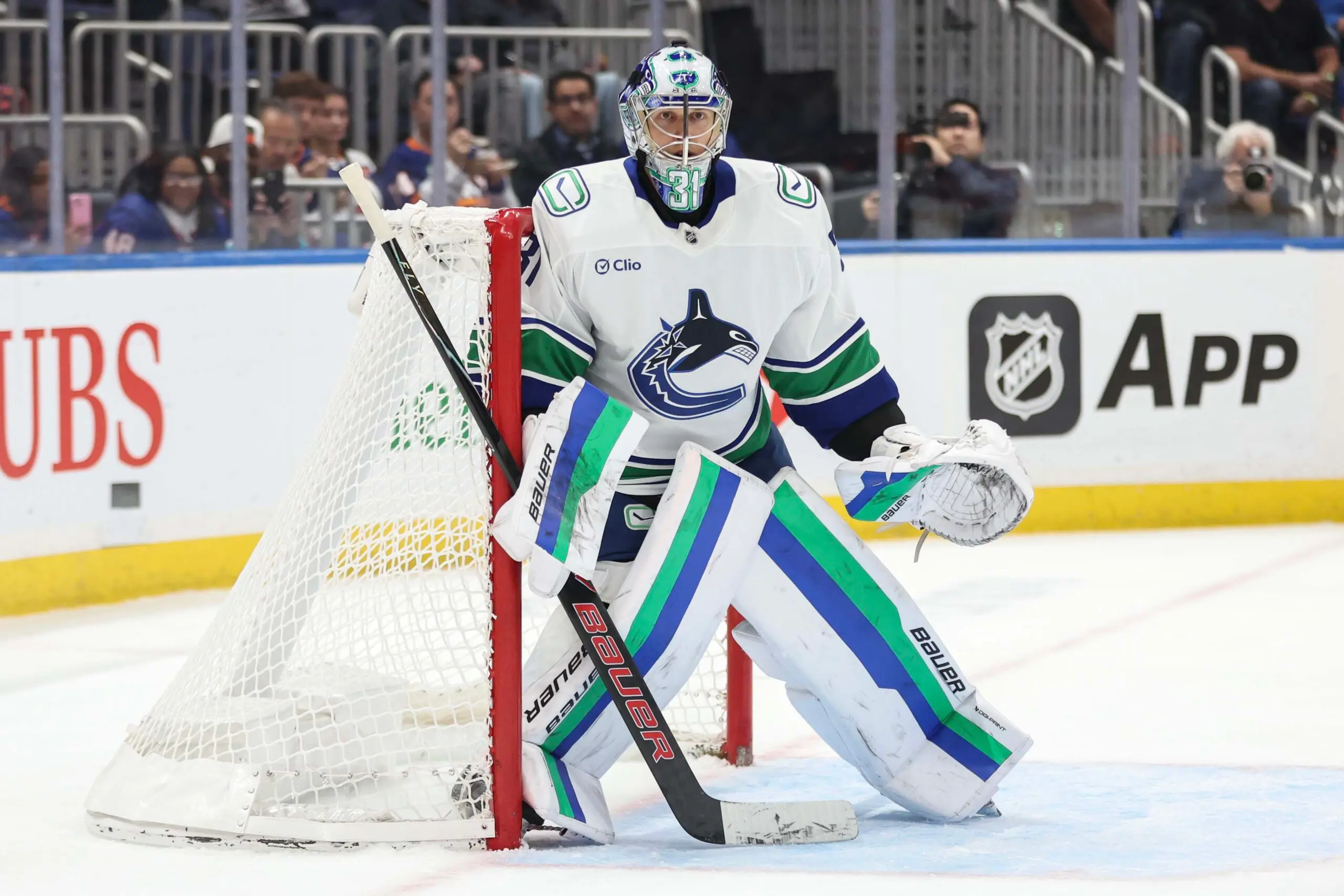
Take Vancouver Canucks goaltender Leevi Merilainen, for example. In a backup role with the Ottawa Senators during the 2024-25 season, he shone with .925 save percentage and a 1.99 goals-against average in 12 appearances. Briefly thrust into the starter’s spot last season in the absence of Senators starter Linus Ullmark, he struggled with a .860 SV% and a 3.51 GAA in 20 appearances. In a more part-time role with Vancouver this season, Merilainen is looking more like his self from two years ago.
On Monday’s episode of Daily Faceoff LIVE, host Carter Hutton was joined by former NHL goaltender Devan Dubnyk and InGoal Magazine‘s Kevin Woodley to discuss the mental adjustment required to go from a backup to a starter in net.
Carter Hutton: A guy like you (Dubnyk), you’ve been in both situations, where you’ve been the backup and then you were a guy that played every single night and you carried the load for a lot of years. What difference is that in your mindset with just the way you go about your business being the guy that’s playing three or four games a week?
Devan Dubnyk: It’s a little bit of maintenance in between and a different approach to practice and that kind of stuff. When I look at situations like this, and Woodsy touched on it a little bit, it’s a completely different ballgame mentally. I think with (New York Rangers goaltender Dylan) Garand right now and you mentioned Merilainen, it’s that expectation level. Right now, there aren’t expectations, so this is bonus time. I kind of look at my year in 2015 when I got traded to the Wild, and I played 38 games in a row, it was all bonus time. I was a backup goalie and I was excited to get a chance to play. I got traded to the Wild and I don’t think anybody had Vezina expectations for me, so it was all bonus time and you can play with a little less pressure.
When now that’s expected of you, it’s not that you can’t do it but those pressures change. Going into the following year, I got a new contract, I got a six-year deal. For the first five to ten games of the season you have to adjust to those expectations because now that’s expected of you. It’s not just a bonus of “Hey, we’ve got this guy who’s playing great,” that’s the expectation. So, I think going back to Garand in New York, just ride that right now. There are no expectations for him and he is a good goalie and he is capable of playing in the NHL.
You can catch the full discussion and the rest of Monday’s episode here…

