How IIHF World Championship rules differ from the NHL

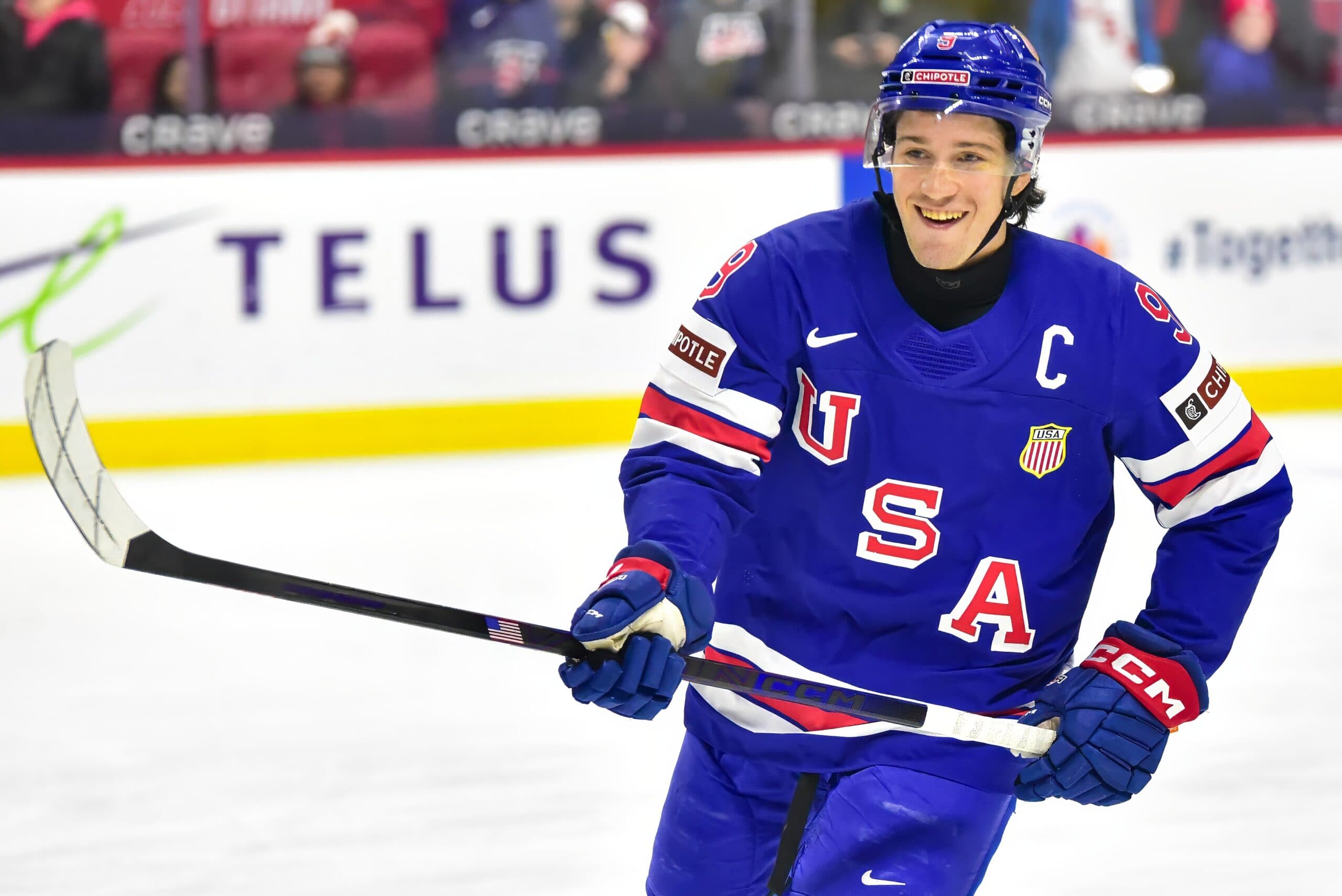
The IIHF Men’s World Hockey Championship is the last major international event of the season, pitting 16 teams against eachother for world glory.
Of course, it’s not best on best like the Olympics we witnessed back in February. But for the 16 teams competing, it means something. With numerous international events throughout the year, a lot of preparation goes into something like this. For many countries, they’ve been together for over a month now for the chance at snagging the coveted gold.
The International Ice Hockey Federation rulebook is more widely followed globally, while the NHL allows the most physical play. That can lead to a few too many perceived judgment calls and controversies. But on the flip side, the IIHF is often criticized for not allowing the game to flow naturally due to excessive policing of contact.
With the 2026 World Championship kicking off May 15th in Switzerland, it’s time to get up to date on all the biggest rules:
Fighting
- NHL: Five-minute major penalty. Players are permitted to stay in the game.
- World Championship: Automatic game misconduct/ejection. An additional suspension can be imposed at the IIHF’s discretion.
Overtime Formats
- Preliminary Round: NHL plays 3-on-3 for five minutes before a shootout during the regular season. The same applies during IIHF-officiated preliminary round games.
- Quarterfinal/Semifinal: The NHL uses 20-minute 5-on-5 sudden-death overtime. The World Championship features a 10-minute 3-on-3 period followed by a shootout if needed.
- Gold Medal Game: The World Championship features unlimited 20-minute 3-on-3 periods until someone scores. So, don’t worry – shootouts don’t dictate the championship anymore.
Point System
- NHL: Two points for a regulation/overtime/shootout win, one point for an OT/SO loss, zero points for a regulation loss.
- World Championship: Three points for a regulation win, two points for an OT/SO win, one point for an OT/SO loss, zero points for a regulation loss.
Roster Sizes
- NHL: 20 players per game (18 skaters, two goalies). Traditional lineups include 12 forwards, six defensemen and two goaltenders.
- World Championship: 22 players per game (20 skaters, two goalies). Traditional lineups include 13 forwards, seven defensemen and two goaltenders. Game lineups are due at least 60 minutes before puck drop. A player must be registered at least two hours prior to the game to be able to play.
Safety & Infractions
- Checks to the head: The referee can make a judgment on the play, but a major penalty and automatic game misconduct will often be the end result.
- Icing: Both now use “Hybrid Icing,” but IIHF officials tend to whistle it dead much faster if there isn’t a clear race for the puck.
- Crease Rule: During the World Championship, if an attacking player is in the crease (even without touching the goalie), the whistle is often blown, and the faceoff is moved outside the zone.
Shootout
- NHL: Three shooters per team. After that, no player can shoot twice until the entire roster has participated.
- World Championship: Five shooters per team. After the first five rounds, a coach can choose the same player to shoot over and over again if they want. The most notable example came in 2014 when USA forward T.J. Oshie scored on four of six attempts against Russia.
Miscellaneous
- Coach’s Challenge: The NHL’s Situation Room can initiate a review of a player in the final minute of the third period or during overtime; The IIHF’s Situation Room will not challenge plays at any time, and teams must call a challenge.
- Coincidental Minors: NHL teams play at 4-on-4; IIHF teams play at 5-on-5.
- Neck Guards: Currently, neck guards are not mandated in the NHL, but will be in 2026-27.; Mandatory in IIHF competition.
- Penalty Shots: The player who was fouled on the play must take the shot in the NHL if able; any non-penalized player can take the shot in IIHF competition.
SPONSORED BY bet365