‘We are the product’: From trade requests to offer sheets, NHLers control their fates like never before

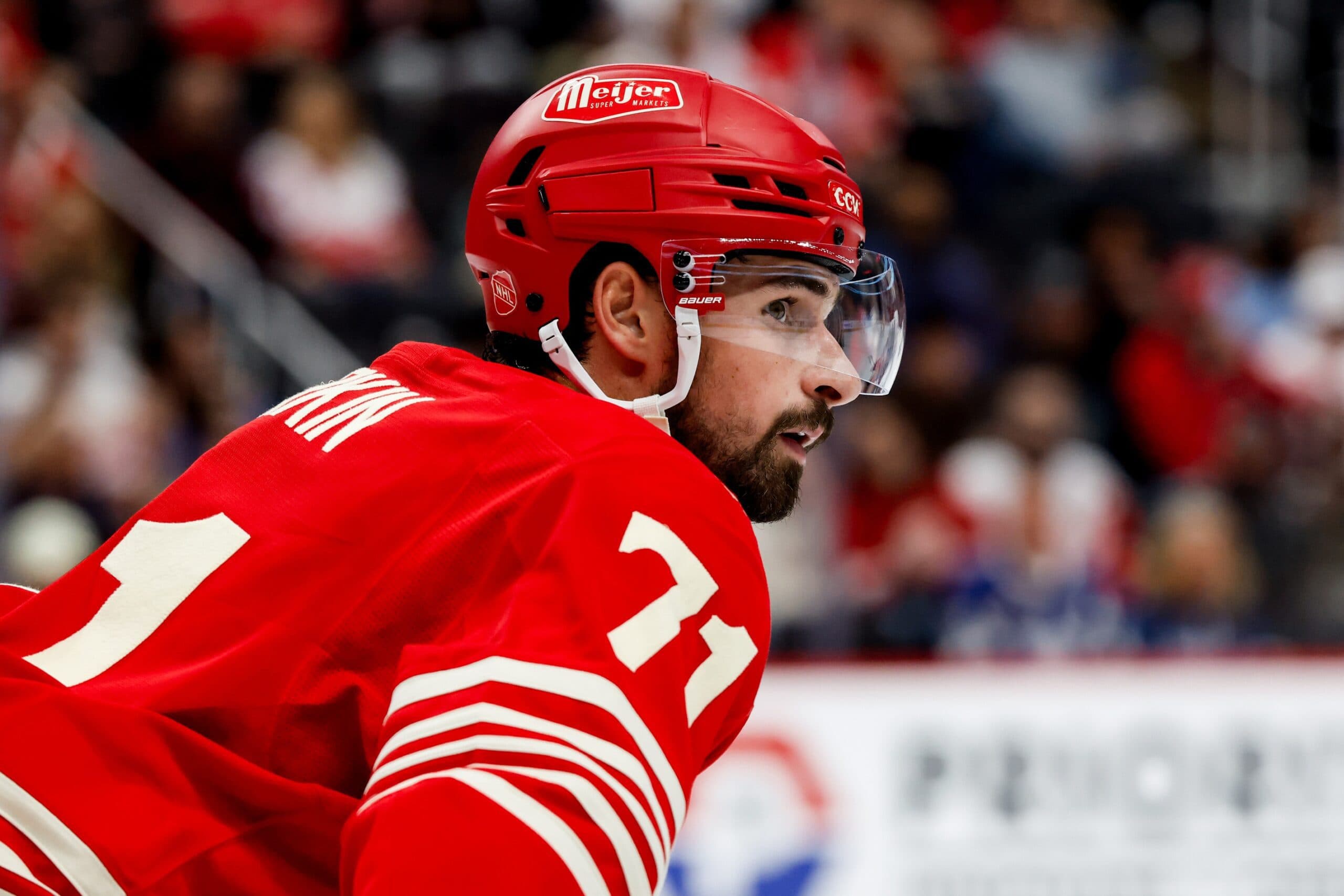
Leo Carlsson was lucky his dad didn’t drive off the road.
The two of them were in the car together, former pro defenseman Kenneth Carlsson behind the wheel, when the call came through to Leo’s phone on that fateful early-July day. The Philadelphia Flyers had rocked his world with an $18-million offer sheet, setting in motion a precedent-setting summer for the NHL. And the Carlssons couldn’t believe what they were hearing.
“It’s a sort of hard feeling to explain, but I was just shocked and happy at the same time,” Carlsson told Daily Faceoff at the Player Media Tour last week.
Even though he was confident his Anaheim Ducks would match the offer, it nevertheless felt great putting pen to paper on a life-changing deal as a 21-year-old restricted free agent. Carlsson was seizing control of his fate.
But Carlsson’s decision was reactive. An opportunity was placed in front of him, and he made a choice, whether that meant changing addresses or simply fattening his wallet beyond his wildest dreams. We’ve also seen a lot of proactive choices made by top-drawer NHLers in recent months, forcing their way off teams with varying numbers of years remaining on their contracts.
The first big domino came from superstar defenseman Quinn Hughes, who made it clear to the Vancouver Canucks he didn’t intend to sign a long-term deal and punched a ticket to the Minnesota Wild last December. Hughes was only the beginning, however, and he wasn’t even the only active captain playing puppeteer. The Ottawa Senators’ Brady Tkachuk couldn’t deny the pull of playing with brother Matthew following their gold-medal success with Team USA at the 2026 Olympics, and he forced his way out of Ottawa in a late-June trade to the Florida Panthers. Detroit Red Wings captain Dylan Larkin, fed up after a decade of playoff misses, requested a trade earlier in June, one yet to be fulfilled. The Buffalo Sabres traded Bowen Byram to the Chicago Blackhawks, his favorite childhood team, after he informed them he wouldn’t negotiate an extension. Legendary Winnipeg Jets goaltender Connor Hellebuyck made his trade request official and public last month.
Many of the players pressing their clubs to trade them played on the U.S. Olympic squad, yes, but they all insist the Group Chat Theory is inaccurate. To a man last week at the Player Media Tour, each suggested the chat was mainly reserved for “Thanks Helly,” an in-joke meme honoring Hellebuyck’s performance in the gold-medal game. But even if we set aside the Manifest Destiny panic: it’s clear the NHL has reached an era of unprecedented player agency and control. And the player populace largely supports the idea.
“I think it’s great, to be honest,” said Seattle Kraken center Matty Beniers at the Player Media Tour last week. “I think that the players are the product and that they should have somewhat of a say on where they want to play and who they want to play for and things like that, especially guys that are older that want to have a chance at going to win a Stanley Cup or play on a playoff team. That’s where you mostly see it. There’s guys that haven’t been in the playoffs for nine, 10 years, and they want to change it up. I don’t think it’s a bad thing at all. I think people also forget it has a lot to do, as well, with guys and families and where you want to live your life. You’re at a point in your life where you have a family or have kids, and if you’re not happy with the place you’re living, that’s completely outside of hockey. That’s just a lifestyle choice.”
Even the players left behind in the process skew toward understanding rather than resenting their teammates for wanting out. That includes the recently abandoned Jake Sanderson of the Senators, who said goodbye to Brady Tkachuk; Jets center Mark Scheifele, soon-to-be seeing off Hellebuyck; and Red Wings left winger Alex DeBrincat, awaiting Larkin’s fate.
For Scheifele, it’s about separating the game from the relationship and wanting someone he cares about to be happy.
“I don’t feel left at the altar at all, because everyone’s decision is their own,” Scheifele said. “You just want to be there as a friend and not as much as a teammate and just be there for all the people in your life.”
Sometimes, the decision to leave a team is highly specific. In the Tkachuks’ case, who could stand in the way of siblings wanting to play together?
“The way I look at it, I’m not surprised that Brady would want to go play with his brother,” Sanderson said. “I don’t think anybody should be surprised, so I don’t blame him for that.”
The motivations can range from family-related, to wanting to win, to not feeling at ease in a given city, to health-related. Look at Jack Eichel. A big reason why his 2021 trade to the Vegas Golden Knights happened was because they were willing to let him have a highly uncommon disk-replacement surgery with which the Sabres weren’t comfortable.
“I think my case, my situation, was unique to my own thing I was going through,” Eichel said. “I think it’s important for guys, players, for us to be the commander of your own ship. We only get a crack at this career one time. So if you feel like you need to make a change or maybe do something differently, be somewhere else, sometimes you’re your biggest advocate in those situations. You’ve got to make hard decisions and do things that might not be popular from a public-opinion side of things. But if it’s what’s best for you, then it’s what’s best for you.”
The public-opinion element is very real, and it’s one reason DeBrincat supports Larkin. DeBrincat wasn’t popular in Ottawa after he decided the Senators were no longer the right fit for him, so it’s only fair he sympathizes for Larkin.
“The backlash is a part of it, but you can block it out,” DeBrincat said. “Obviously you want to do anything for your family or yourself to make yourself happy. You’re not just going to sit somewhere you’re not happy with for X amount of years just because you don’t want to get hated on by that fanbase. There’s another fanbase that will love you. It’s not always that easy, but I don’t think you can totally take just the fans’ words for it. You feel their frustration. You know why they’re frustrated. It’s not the easiest thing for you going through, but it is ultimately what you felt you needed to do at the time, and you’ve got to live with that.”
The reasoning from the players’ side is sound enough. If you’re not happy, if your family is not happy, if you don’t think you can accomplish your career goals where you are, it’s natural to desire, and push for, change. But what about doing so when you have many years left on your contract? Larkin and Hellebuyck, for instance, have five seasons remaining apiece on their deals. Do the trade requests set a dangerous precedent and threaten to render long-term deals meaningless?
NHL deputy commissioner Bill Daly visited with reporters at the Player Media Tour last week as well, and he indicated the forcing of trades is on the league’s radar.
“Certainly there’s some sentiment in the league that has concerns with respect to the way things are evolving,” Daly said. “There are several separate but somewhat related elements to that in our collective bargaining agreement. And depending on how this trend evolves, perhaps at some point in collective bargaining, they’ll have to be addressed in a different way than they’re being addressed now. But we haven’t even started our current collective bargaining agreement [as of Sept. 9, the day he spoke to reporters], which is four years. And I certainly don’t expect the need to address this, what looks like it might become a trend, earlier than the next collective bargaining agreement [beginning in 2030].
Whether it’s the playoff LTIR rules or double salary retention: things tend to not be problems, according to the NHL, until they suddenly are. In other words: just because the league doesn’t feel the need to amend any rulings now with respect to trade requests doesn’t mean the appetite among the Board of Governors won’t evolve to the point the NHL treats it as a crisis.
For now, though, it appears the new world order will continue. And the players are happy about it, regardless of how it impacts their public standing.
“It’s not black and white,” said Sabres center Tage Thompson. “It’s tough to look on it from the outside, because there are so many things that go into players’ decisions: how long they’ve been there, what they’ve gone through, the direction of the team, where they’re chasing. Are they chasing money? Are they chasing a victory where you’re at in your career? So it’s all dependent on the player’s situation, where they’re at and where the team’s at. There’s the hockey aspect of it, and then there’s the family aspect of it, too.”
_____
POST SPONSORED BY bet365
Recently by Matt Larkin
- What’s changing in the new NHL CBA – and what’s already implemented
- Tavares understands Leafs ‘weren’t very good’ – and embraces radical roster turnover
- Why the Wild’s Quinn Hughes’ isn’t stressing about his next contract
- Bill Daly: NHL expansion to Houston or Austin ‘not a done deal’
- Larkin’s trade request ‘sucks,’ but DeBrincat still has his back
- Cheered or jeered, Brady Tkachuk is ready for his Ottawa return